Education remains a critical challenge in Balochistan, where over 3 million children are currently out of school—the highest number in Pakistan. The province suffers from the lowest literacy rates, particularly among girls. Factors contributing to this crisis include lack of infrastructure, limited qualified teachers, socioeconomic hardships, and cultural barriers. Nearly one-fifth of schools are non-functional, and dropout rates continue to rise.
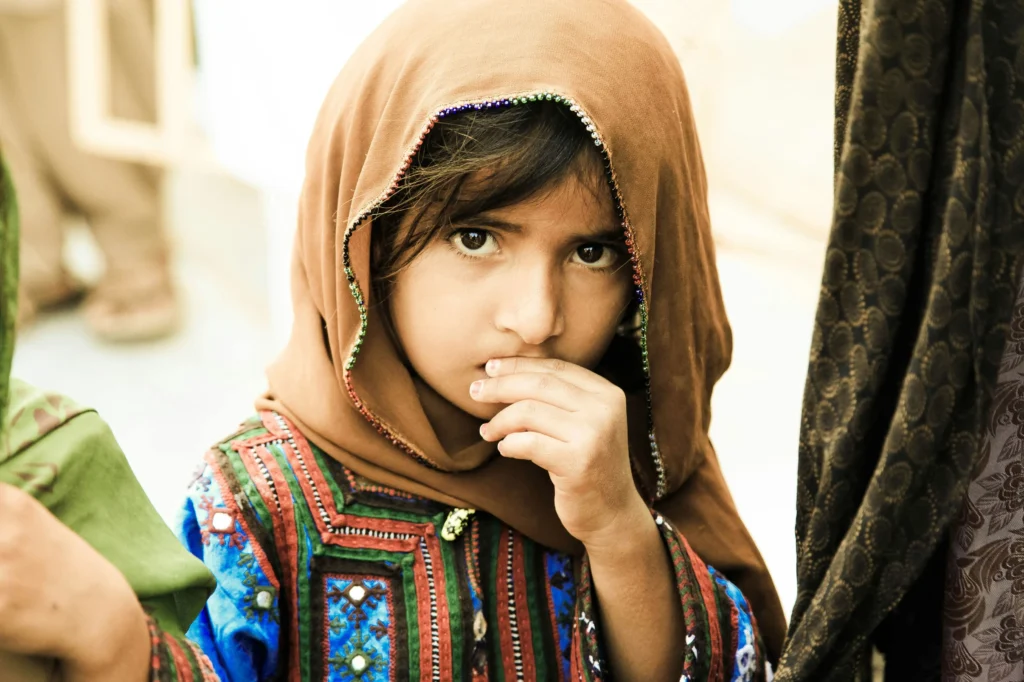
Balochistan’s rural and marginalized communities bear the brunt, with girls facing disproportionately high barriers to education. The absence of safe and accessible schools curtails their prospects for personal and economic growth. Efforts such as the Balochistan Education Sector Plan aim to reverse this trend by improving school facilities, expanding teacher training, and prioritizing girls’ education. However, persistent underfunding and logistical challenges mean urgent, collaborative action by government, NGOs, and communities is necessary.
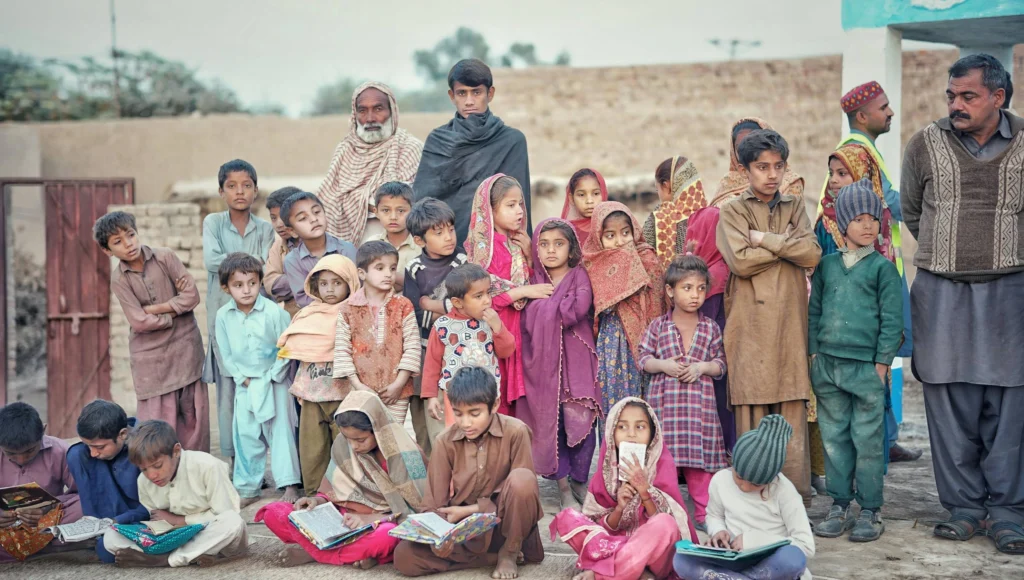
Quality education is key to empowering Balochistan’s youth, opening doors for broader social inclusion, and addressing long-term poverty. Investing in education will create more resilient, skilled communities capable of leading sustainable development.